
How to Become a Crane Operator: A Step-by-Step Guide
Are you interested in a career as a crane operator? Operating cranes is a vital and rewarding job, offering opportunities to work on a variety of construction and industrial projects. In this guide, we’ll walk you through the steps to become a certified crane operator, the skills you need, and the certification options available.
What is a Crane Operator?
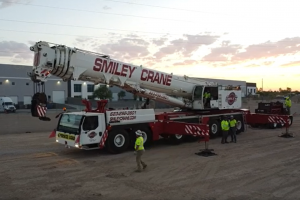
A crane operator is responsible for lifting and moving heavy materials safely and efficiently using different types of cranes. Whether it’s a tower crane on a high-rise building or a mobile crane on a construction site, operators must have extensive training and knowledge to manage equipment effectively and comply with safety regulations.
Steps to Becoming a Certified Crane Operator
1. Meet the Basic Requirements
Before starting your journey, you must meet a few general requirements:
- Age: Most training programs require candidates to be at least 18 years old.
- Education: While a high school diploma or GED is typically preferred, some entry-level positions might not require formal education.
- Physical Fitness: Crane operators must have good hand-eye coordination, stamina, and physical strength to manage the demands of the job.
2. Complete a Crane Operator Training Program to Prepare You for the Exams
Completing a program like the Mobile Crane Prep Course is essential to learning the technical skills needed for operating cranes. These programs cover a variety of topics:
- Crane Operation Fundamentals: Understanding how cranes work, including load charts and crane controls.
- Safety and Regulations: Learning industry safety standards, including OSHA regulations and how to prevent accidents.
- Hands-on Practice: Practical experience in controlling cranes, rigging, and operating in real-world conditions.
3. Obtain Crane Operator Certification
In most areas, crane operators must be certified. There are two main types of certification:
- NCCER Certification: The National Center for Construction Education and Research (NCCER) offers crane operator certifications, including classroom-based learning and hands-on assessments.
- NCCCO Certification: The National Commission for the Certification of Crane Operators (NCCCO) provides certification recognized by OSHA and employers nationwide. To obtain this, candidates must pass written exams and a practical exam.
4. Gain Practical Experience
After obtaining certification, you’ll need to build practical experience. Many new operators start as crane oilers or riggers, working alongside experienced crane operators to learn more advanced skills on the job. This experience helps you understand different crane setups and builds confidence in handling challenging environments.
5. Obtain a Commercial Driver’s License (CDL)
If you plan to operate mobile cranes, many employers will require you to have a CDL. This license allows you to legally drive and operate large vehicles, including crane trucks. Requirements for a CDL vary by state, but most require passing a written test and a driving skills test.
6. Keep Your Certification Up to Date
Certification typically needs to be renewed every 5 years. Recertification involves passing refresher courses and possibly another exam. Staying up to date ensures you remain knowledgeable of any changes in safety standards and crane technology.
What Skills Do You Need to Be a Crane Operator?
Crane operators need a combination of technical knowledge and soft skills. Here are a few essential skills:
- Attention to Detail: Safety depends on precise movements and attention to load limits and crane capacity.
- Problem Solving: On-site challenges such as weather conditions or terrain require quick thinking and solutions.
- Coordination and Focus: Operating a crane requires great hand-eye coordination and the ability to focus on small movements for long periods.

Career Opportunities for Crane Operators
Once certified, crane operators can work in a variety of industries:
- Construction: Tower cranes and mobile cranes are common on construction sites for high-rise buildings, bridges, and infrastructure projects.
- Industrial: Many factories and industrial facilities use overhead cranes for heavy machinery and material handling.
- Maritime: Ports and shipyards often employ crane operators to handle cargo loading and unloading.
Crane operator salaries are competitive, with experienced operators earning upwards of $80,000 per year or more, depending on location, industry, and crane type.
Frequently Asked Questions (FAQs)
Q: How long does it take to become a crane operator?
A: The process typically takes 3-6 months, depending on your chosen training program and certification process.
Q: Do I need a license to operate a crane?
A: Yes, most states require crane operators to be licensed and certified, especially for jobs involving heavy lifting and construction.
Q: Can I become a crane operator with no experience?
A: Yes! Many programs are designed for beginners. Start with entry-level positions and work your way up as you gain certification and hands-on experience.
Start Your Career as a Crane Operator Today!
If you’re ready to start a fulfilling career as a crane operator, begin by researching local crane operator training programs or explore online certification courses like our Mobile Crane Operator Online Prep Course. This course is designed to prepare you for the NCCER written exams, offering dynamic video lessons, real-world footage, interactive modules, and practice tests to enhance your learning experience.
Our Mobile Crane Operator Prep Course is fully online and available for 3 months, giving you the flexibility to study at your own pace. Developed by industry experts with over 30 years of experience in crane operations, this course covers everything from crane principles and safety to load charts and regulations. It is ideal for visual, auditory, and hands-on learners.
While we provide all the study materials you need to succeed, remember that NCCER certification requires you to take the exam at an accredited testing center. Our course ensures you’re well-prepared for this step and opens doors to many opportunities across industries, offering a stable and well-paying career.